
 Checkout securely
Cinematic Cryptonymies: The Absent Body in Postwar Film - Contemporary Approaches to Film and Media Studies
Condition: New
Free UK delivery
Thu 15 Oct
Time until the order cutoff
Delivery details
Royal Mail 2nd Class — Free
Dispatch — when it leaves us
The arrival date shown is calculated from the order cutoff and delivery days.
Full delivery informationOther available editions
Keep up to six books on this device for 30 days. Prices and availability are checked when shown. Clear to remove the history and switch this off.
Free returns within 60 days
- Not completely happy?
- We’ll refund or replace your order within 60 days.
- Terms and exclusions apply. See our returns policy.
Description
How postwar film represents absent bodies via the cinematic practices of audiovisual erasure by key filmmakers.
Following World War II, the world had to confront the unmournable specters of those who had been erased socially and historically. Cinematic Cryptonymies: The Absent Body in Postwar Film explores how cinema addressed these missing bodies through an in-depth analysis of key filmmakers from the immediate postwar moment through the present. Ofer Eliaz provides a cinematic history as well as a theoretical framework rooted in psychoanalysis that allows the reader to see and understand the absence and erasure of bodies in film as a response to historical trauma.
Drawing on a psychoanalytic technique focused on what one leaves unspoken, Cinematic Cryptonymies investigates a diverse range of postwar film. The first chapter examines how Georges Franju deployed Paris as a city that hides the horrors of its pasthere the vanished bodies of the victims of the Holocaustbehind its facade. Eliaz then looks at intergenerational haunting in the early horror films of Mario Bava, in which unacknowledged violence and loss is passed down across generations during the time of Italys economic miracle. The unique use of montage in the late films of Jean-Luc Godard is the focus of the third chapter through which the viewer only receives a fragmented and partial image of strugglean attempt to address the failure of cinema to bear witness to the horrors of the wars and mass killings of the 1990s. Eliaz ends in the 2000s by examining the transnational films of Naomi Uman, whose experimental films engage the violence and loss experienced in different forms of border crossings, including national and social borders.
Centered on the question of how one can mourn losses that are so traumatic they become unspeakable, Cinematic Cryptonymies is an important contribution to conversations on postwar film, trauma and the intersection of psychoanalysis and the humanities. Scholars interested in postwar film and history, trauma and war or psychoanalytic theory will all find this volume of interest.
Book details
- Format:Paperback
- Pages:224 Pages
- Dimensions:228 x 152 x 12 mm
- Publication date:30 November 2018
- Publisher:Wayne State University Press
- Language:English
- ISBN10:081434562X
- ISBN-13:9780814345627
Related books
-

Four Archetypes - Routledge Classics
C.G. Jung Paperback £9.89£17.99Save £8.10 (45%)45% off! -
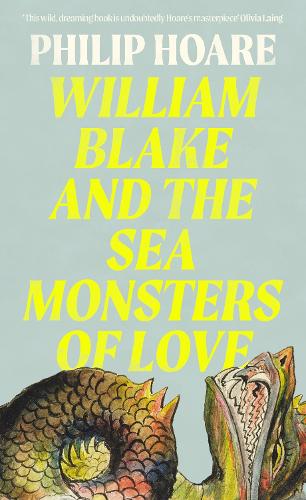
William Blake & The Sea Monsters of Love
Philip Hoare Hardback £7.36£22.00Save £14.64 (67%)67% off! -
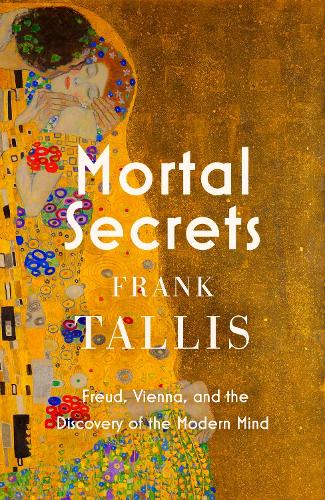
Mortal Secrets: Freud, Vienna and the Discovery of the Modern Mind
Frank Tallis Paperback £6.05£12.99Save £6.94 (53%)53% off! -
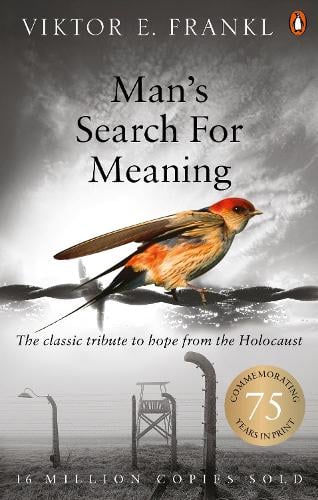
Man's Search For Meaning: The classic tribute to hope from the Holocaust
Viktor E Frankl Paperback £8.87£10.99Save £2.12 (19%) -
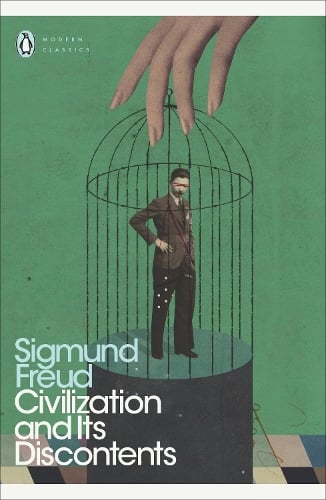
Civilization and Its Discontents - Penguin Modern Classics
Sigmund Freud Paperback £7.67£8.99Save £1.32 (15%) -
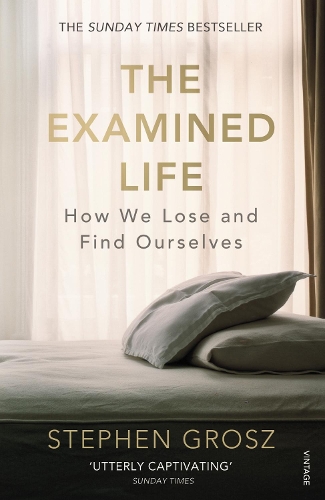
The Examined Life: How We Lose and Find Ourselves
Stephen Grosz Paperback £3.32£10.99Save £7.67 (70%)70% off! -

Cinema Speculation
Quentin Tarantino Paperback £7.47£10.99Save £3.52 (32%) -
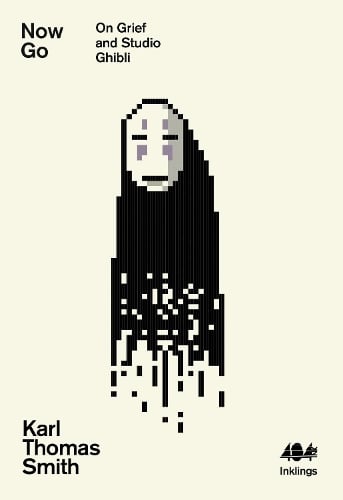
Now Go: On Grief and Studio Ghibli - Inklings
Karl Thomas Smith Paperback £4.40£7.50Save £3.10 (41%)41% off!